
Nurturing Intimate Connections
Our passion is guiding women as they reconnect their minds, bodies, and spirits to reclaim their relationships through a cancer diagnosis, chronic health condition, or life transition.
We provide evidence-based sexual health education, solution-focused interventions, intimacy counseling, and advocacy. Our experienced clinicians meet with clients at our clinic in Broken Arrow, Oklahoma, and via telemedicine in most states.

As a Non-Profit Organization, Intimate Pathways Center for Sexual Health Is Here to Support Women and Their Partners
About Intimate Pathways
Sexual Health Is for Everybody, and Every Body
Our society gives us mixed and confusing messages about sex. We often don’t talk openly about it. We know the slang words but not how our bodies work. When we’re young, we’re taught more about making babies than having a healthy and enjoyable sex life. Many parents avoid talking about it, and some people learn about sex from things like pornography, which can give the wrong idea.
At Intimate Pathways, we build a professional relationship with our clients, creating a safe environment for individuals or couples to discuss intimacy, sexual function, and sexuality in the context of challenges like cancer, chronic health issues, and life transitions. In a society filled with mixed sexual messages and unrealistic expectations, we recognize that our bodies undergo constant changes throughout our lives, affecting our sexual experiences as we age.
Our Mission
Empowering women toward reclamation of their mind, body, and intimate relationships.
Our Vision
Creating a community where comprehensive sexual health care is an established component of a woman’s whole-person wellness care.
Our Leadership
Providing Professional, Compassionate Support
Intimate Pathways is led by an all-women Board of Directors.
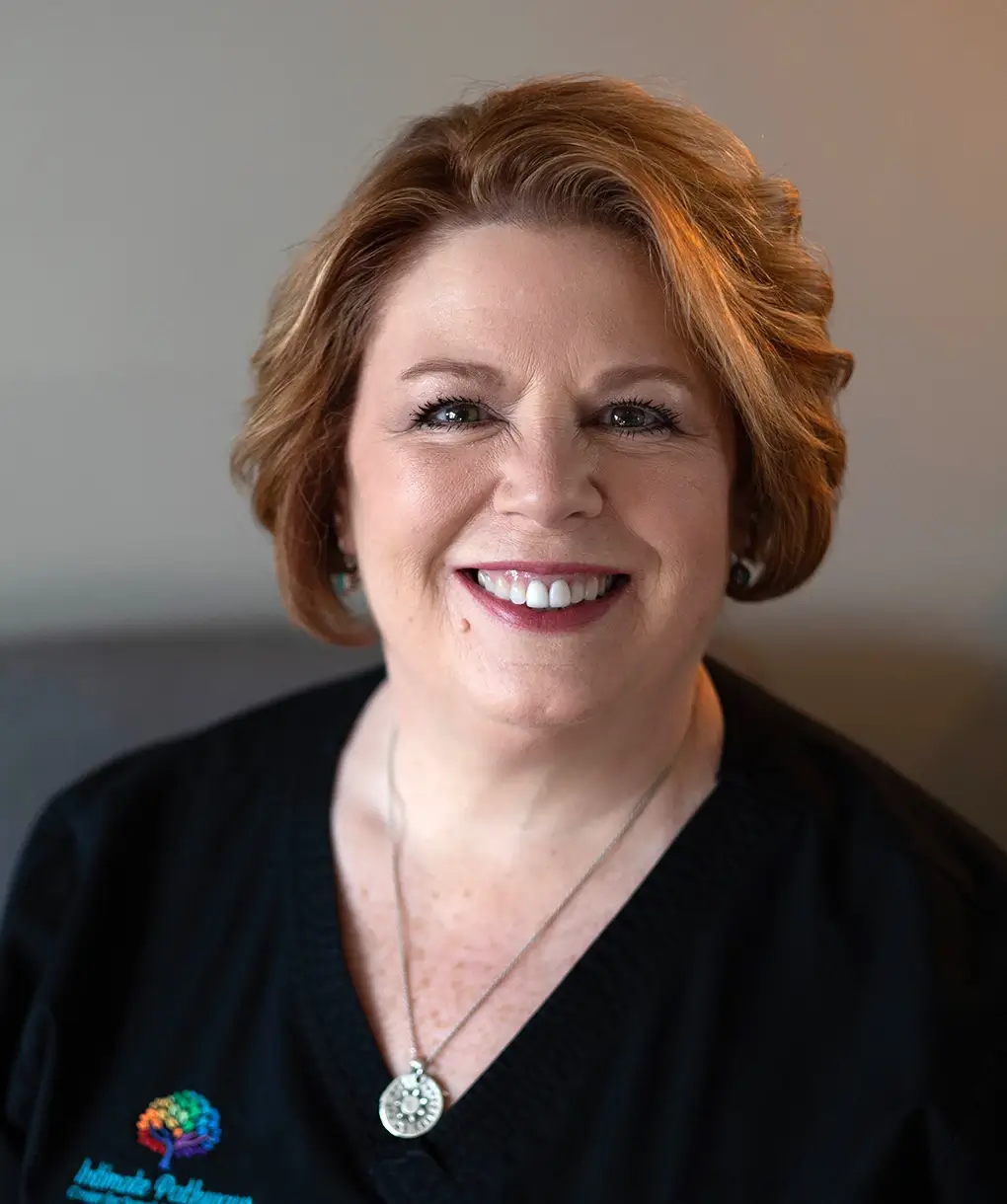
Executive Director / Senior Clinician
Traci A. Owen, RN, BSN, CSC, SE
AASECT Certified Sexuality Counselor – Supervisor
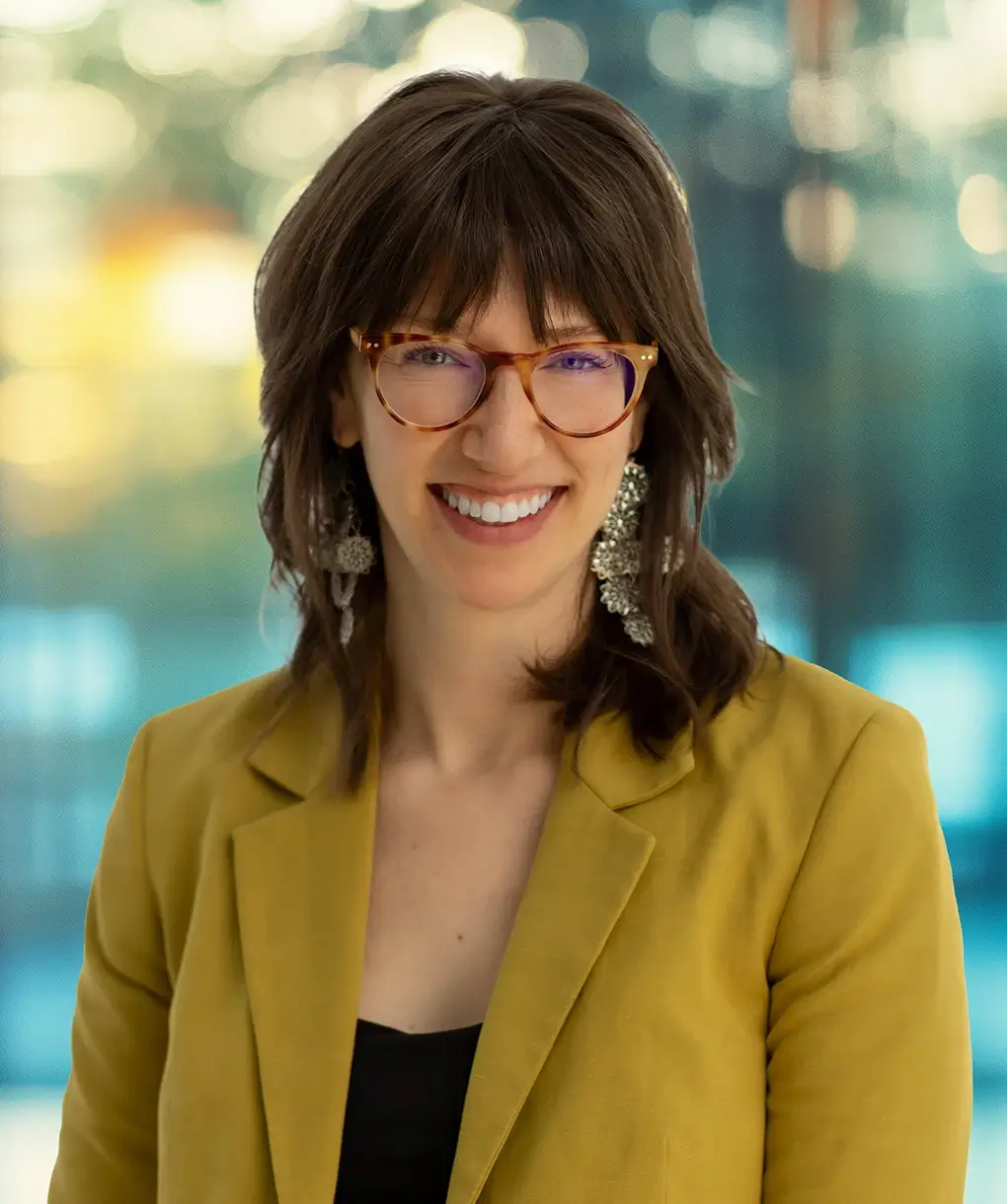
Clinician
Marloe Esch, DNP, RN, APNP, AGCNS-BC, OCN, CSC
AASECT Certified Sexuality Counselor
About Traci Owen
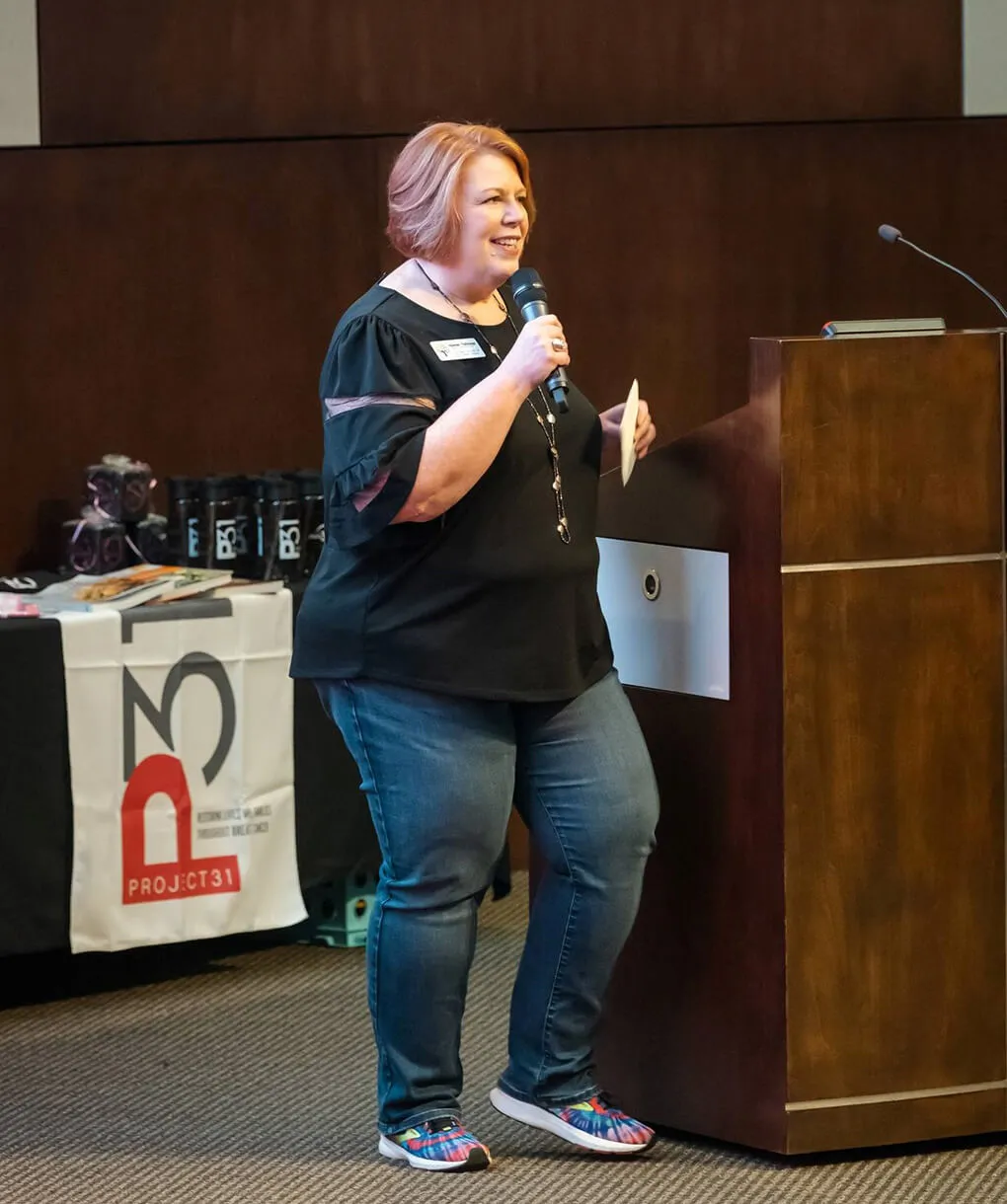
Caregiver. Nurse. Educator. Researcher. Innovator. Mentor.
For more than three decades as a registered nurse, I’ve walked with people through life’s most vulnerable moments. These experiences taught me that real healthcare and healing must honor the whole person, not just a clinical diagnosis.
Along the way, I witnessed a profound gap in our medical model of care. When chronic health challenges, cancer, or natural aging disrupt intimacy, identity, pleasure, and relationships, patients and couples are too often left to navigate that heavy impact entirely alone. Closing that gap became my calling.
As a clinician, researcher, and educator, my mission is to serve both individuals and relationships as they rediscover connection and healing. While a significant part of my work is dedicated to advancing the field of OncoSexuality—ensuring sexual wellness is an essential piece of cancer care and survivorship—my ultimate mission is to create a compassionate space for anyone looking to feel at home in their body again.
“Sexual wellness is about Everybody & Every Body.” — Traci
About Dr. Marloe Esch
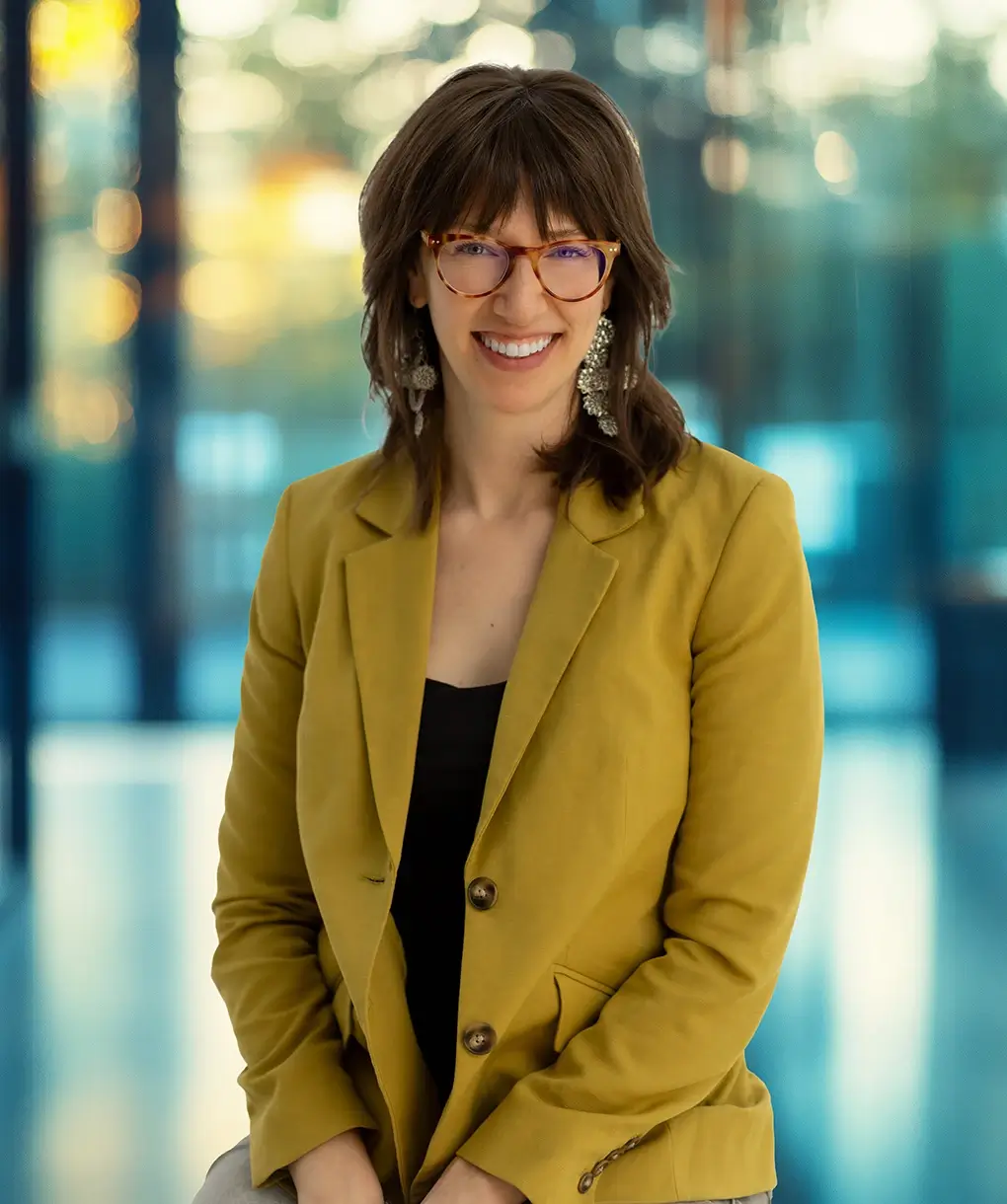
Counselor. Educator. Advocate. Survivor. Author. Innovator.
Marloe Esch (she/her), DNP, RN, APNP, AGCNS-BC, OCN, CSC, is an advanced practice oncology nurse and AASECT-certified Sexuality Counselor with more than 17 years of experience caring for people with cancer in academic medical settings. Informed by her own experience as a young adult cancer survivor, she strives to shape the landscape of oncology survivorship care by fostering person-centered empowerment, resilience, and growth.
As an enthusiastic advocate for sexual wellness, Marloe has made it her mission to bring sex into the survivorship spotlight. She earned certificates in Sexuality Education and Sexuality Counseling through the University of Michigan Sexual Health Certificate Program in 2018 and completed her Doctor of Nursing Practice as an Adult-Gerontology Clinical Nurse Specialist at the University of Wisconsin–Milwaukee College of Nursing in 2024. She also serves as an instructor with the University of Michigan Sexual Health Certificate Program, co-teaching a course focused on the assessment and treatment of psychosexual disorders related to chronic illness.
Marloe has published professionally on sexual wellness across the continuum of care, from adolescent and young adult (AYA) cancer survivorship through palliative and end-of-life settings. She is also a contributing author for the national nonprofit organization Elephants and Tea, where she writes regularly about sexuality and cancer and facilitates Embody Your Body sexual wellness workshops. She has presented regionally and nationally, addressing psychosocial and sexual health in cancer survivorship for organizations including the Young Survival Coalition, the Oncology Nursing Society, and Planned Parenthood of Wisconsin, among others.
Marloe lives in Bay View with her partner and their cat, Princess Leia. When she’s not nerding out over the latest sexology research, you’ll likely find her reading, writing, playing guitar, running, or enjoying a caffeinated beverage while contemplating life. She’s also fairly competent at crochet, which comes in handy during the cold, dark Wisconsin winters.
Four Pathways. One Mission.
Supporting Wellness, Healing, Confidence, Connection, and Quality of Life.
You Are in Great Hands
Award-Winning Care




Supporting Our Work
Our Affiliations



Our Work Is Guided By Our Core Values
We believe communication with our clients and community represents the highest standards of professionalism, ethical behavior, confidentiality, respect, and dignity.
We believe sexual health and relational intimacy are core elements of an individual’s physical health, mental health, and quality of life.
We believe ongoing engagement with individuals and the community will foster the understanding that sexual health needs of various populations differ by age, gender, sexual orientation, race, ethnicity, spirituality/religion, education levels, income levels, personal values, emotional health, and physical ability.